New corrugated gaylord and bulk boxes
A bulk box is a corrugated container the size of a pallet, sat on one and filled with loose parts, resin, produce or anything that ships better in one large box than in many small ones. In the trade they are often called gaylords. We quote new ones in double and triple wall.
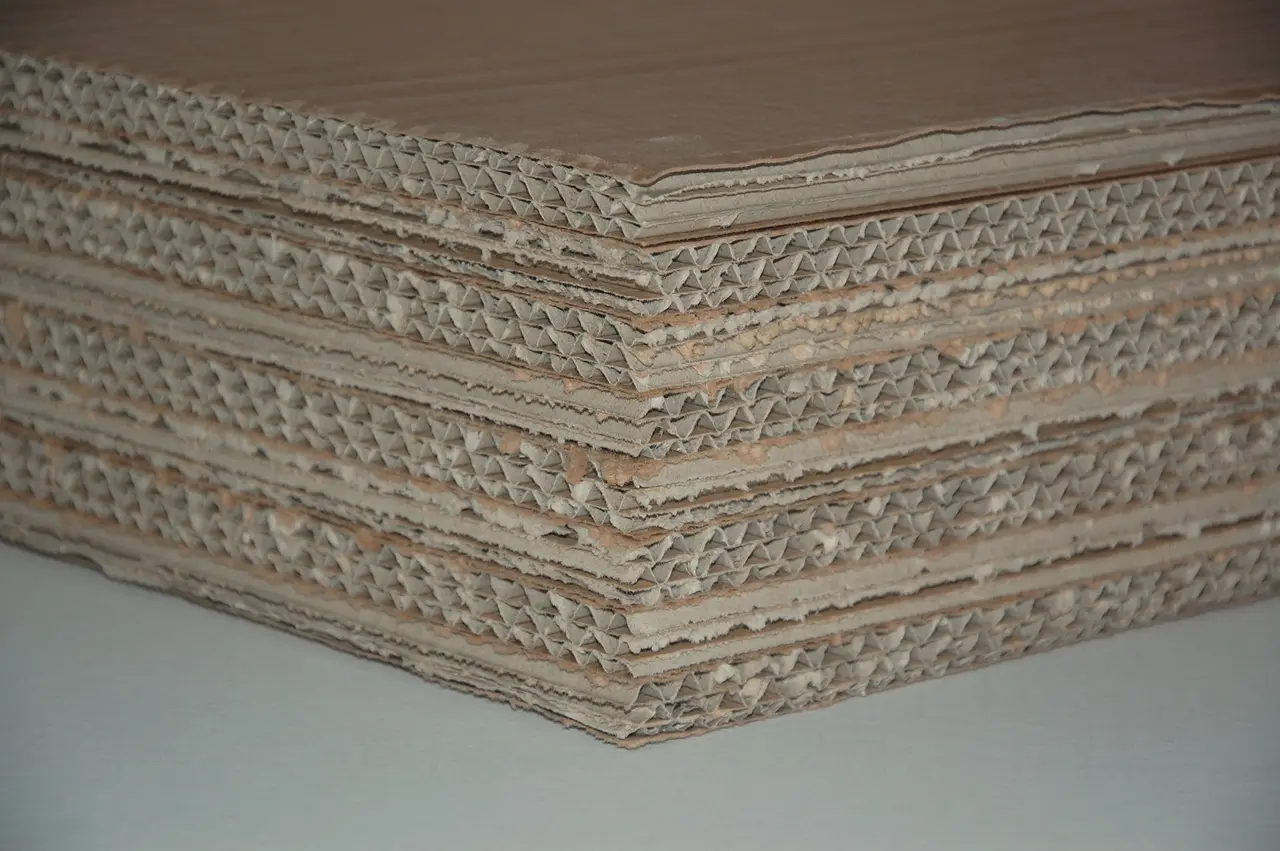
| Footprint | Commonly 48 x 40 in to match the standard pallet; other footprints quoted |
|---|---|
| Styles | Two-piece telescope with a lid, or a one-piece tube with flaps or a separate base |
| Board | Double wall for lighter loads; triple wall for heavy and dense contents |
| Example | A major catalogue lists a 48 x 40 x 36 in two-piece telescopic bulk cargo container |
| Ships | Flat, banded, by the pallet |
Matching the box to the pallet
Most bulk boxes are built to the 48 x 40 in footprint so they sit square on a standard pallet with no overhang. Overhang lets the bottom edges of the box take forklift hits and lets the walls bow outward under load. If your pallets are a different size, give us the pallet and we will quote the box to it.
Depth is the other decision. Taller boxes hold more but are harder to fill and empty by hand and put more weight on the bottom panel. Tell us the contents and how the box is filled and emptied.
Double or triple wall
Triple wall board has seven layers of paper, three fluted mediums between four liners, and is used where a crate would otherwise be. For dense contents such as metal parts or resin, triple wall is the usual choice. For bulky light goods, double wall may do. Give us the packed weight and whether boxes will be stacked; that decides it.
Reuse and disposal
Many bulk boxes make several trips inside a plant or between two sites before they are retired. A heavier board, a separate base and a cap on top extend that life. At the end, the box goes into ordinary corrugated recycling. If you need a returnable container instead, say so; a plastic bin may suit better, and we will tell you plainly.
Filling and emptying
A bulk box is usually filled by a conveyor, a chute or by hand from above, and emptied by tipping, by hand through a drop door cut into one side, or by lifting the sleeve off its base. Drop doors are cut on the die and make hand access easy once the box is half empty. Tell us how your operators empty them.
Polyethylene liners, slip sheets and lids are common add-ons. Liners keep resin, powders and food clean; slip sheets let the box slide on and off forks; lids keep dust out in storage.
Octagonal and other shapes
Octagonal bulk bins resist bulging better than square ones because the load presses evenly on eight panels. They are used for resin, regrind and heavy loose goods. Quote requests for octagonal builds need the pallet size, the desired depth and the packed weight.
When to choose it
- Loose parts, pellets or produce moved in bulk on pallets.
- Consolidating many small cartons into one handling unit.
- Export loads where a crate would add weight and cost.
Request this box: a 48 x 40 bulk box
Give the inside size, the board if you know it, the count and your ZIP. Say it is for new corrugated gaylord and bulk boxes in the notes, and we quote it delivered.
- Inside size
- length x width x depth, in inches
- Style
- RSC, full overlap, telescope, die-cut or bulk
- Wall and grade
- read it off the stamp on your current box
- Count
- boxes per order, and how often you reorder
- Packed weight
- box plus contents
- ZIP
- where the boxes are delivered
After you send it
- We reply by email, usually with questions first if anything is unclear
- You confirm the specification, and a sample or drawing if it is a new design
- We send the price, the delivery window and the count tolerance
- On approval the order is scheduled and shipped to your dock