Single wall boxes: 32 ECT, 200# and 44 ECT
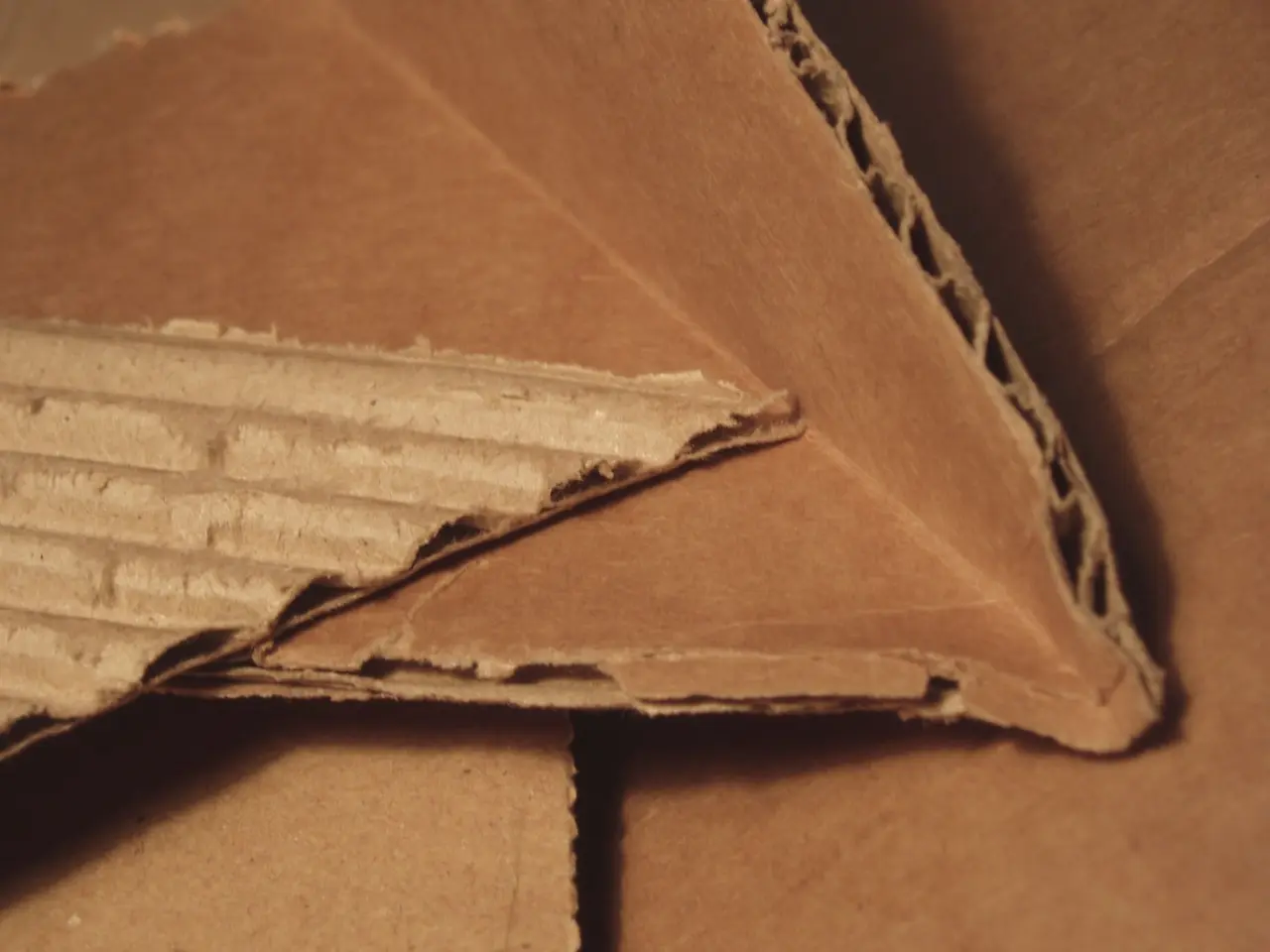
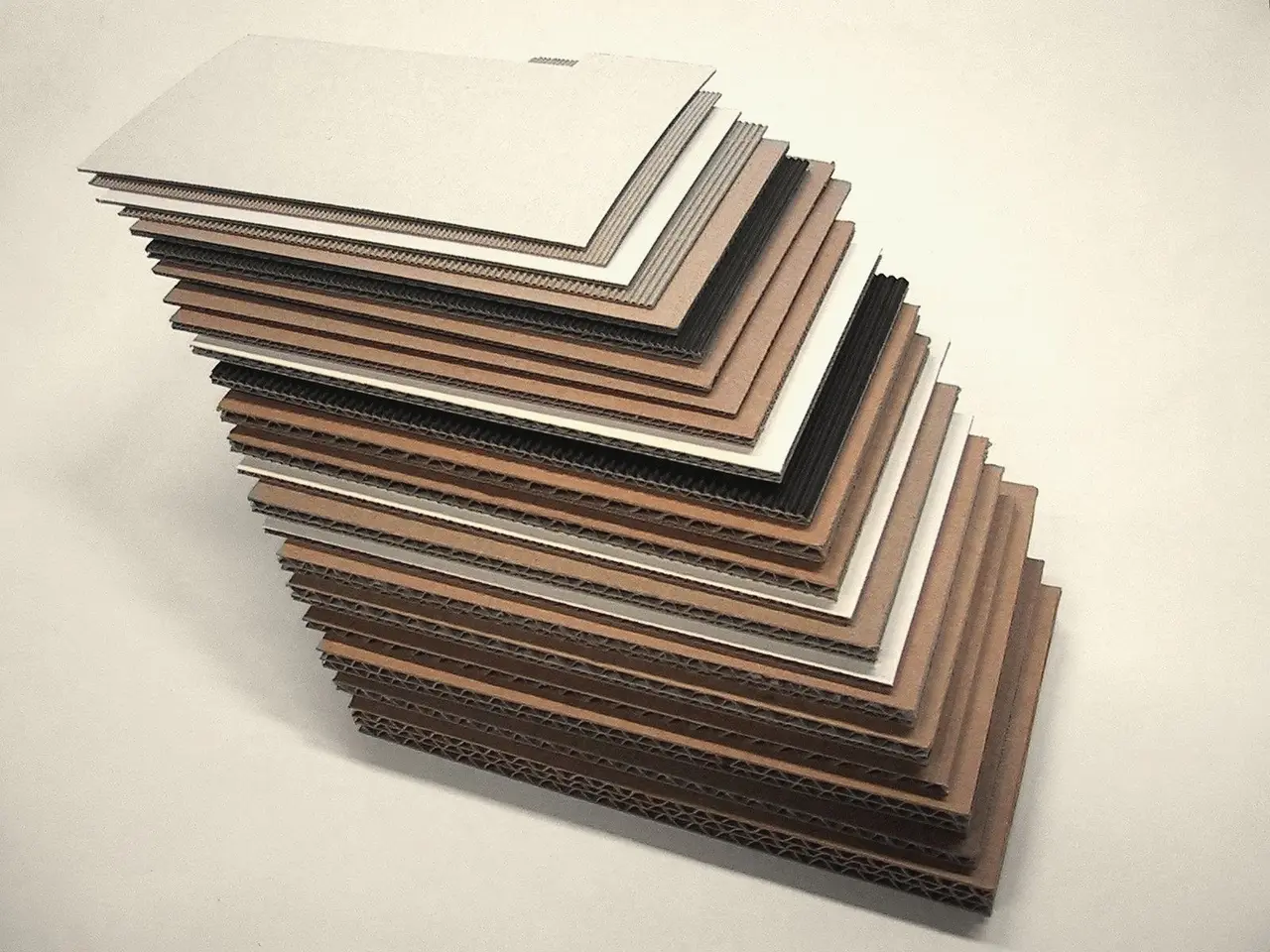
Single wall board is one fluted medium glued between two liners. It is the board in most stock shipping boxes, and it comes in grades named for how it was tested. The two that matter most, 32 ECT and 200# test, are both rated to carry 65 lb of box and contents.
| 32 ECT | Rated by edge crush (stacking strength); 65 lb maximum |
|---|---|
| 200# test | Rated by burst (Mullen) strength; 65 lb maximum |
| 44 ECT | A stiffer single wall for heavier stacking loads; we quote it on request |
| Flutes | Commonly C or B; E for small boxes and mailers |
| Construction | One fluted medium between two linerboards |
32 ECT or 200#
Edge crush test measures how much force a standing strip of board takes before its edge crushes. It predicts how well a box stacks. Burst, or Mullen, test measures the pressure needed to push through the face of the board. It predicts how a box takes knocks and punctures. For single wall, Paper Mart lists 32 ECT and 200# at the same 65 lb maximum, and many buyers treat them as interchangeable.
They are not quite the same box. Cartons that ride on pallets and spend weeks stacked in a warehouse want ECT. Parcels that go through sort centres one at a time, get dropped and get other parcels dropped on them, often do better at 200#. ECT board is usually lighter and costs less for the same stacking strength.
Above single wall
If the box and its contents weigh more than 65 lb, single wall is the wrong board. Double wall at 48 ECT or 275# is rated to 100 lb. If the load is fragile or high value even under 65 lb, double wall is worth pricing as well.
Where single wall falls short
Long storage in cold, wet rooms, very high stacks, sharp or pointed contents, and repeated handling inside a plant all wear single wall down faster than its rating suggests. For those jobs, step up to 44 ECT or double wall, or add a pad, partition or corner post where the stress concentrates.
Liner weights and recycled content
Burst-rated board is specified partly by the combined weight of its liners, while ECT board is specified by performance, which lets the plant use lighter liners and more recycled fibre as long as the board meets the rating. That is part of why 32 ECT boxes tend to cost less. Both kinds are recyclable with ordinary corrugated waste.
Sizes that suit single wall
Small and medium cartons, up to about two feet on a side, are well served by single wall for most goods. Above that, large panels bow more under load, and even a light product can make a big single wall box sag in a stack. That is where the large-box page and double wall come in.
When to choose it
- Palletized cases stacked in storage: 32 ECT.
- Single parcels through carrier networks: 200# test.
- Taller stacks or humid storage: ask about 44 ECT.
- Over 65 lb packed: double wall.
Request this board: single wall boxes
Give the inside size, the board if you know it, the count and your ZIP. Say it is for single wall boxes: 32 ect in the notes, and we quote it delivered.
- Inside size
- length x width x depth, in inches
- Style
- RSC, full overlap, telescope, die-cut or bulk
- Wall and grade
- read it off the stamp on your current box
- Count
- boxes per order, and how often you reorder
- Packed weight
- box plus contents
- ZIP
- where the boxes are delivered
After you send it
- We reply by email, usually with questions first if anything is unclear
- You confirm the specification, and a sample or drawing if it is a new design
- We send the price, the delivery window and the count tolerance
- On approval the order is scheduled and shipped to your dock