Double wall corrugated boxes
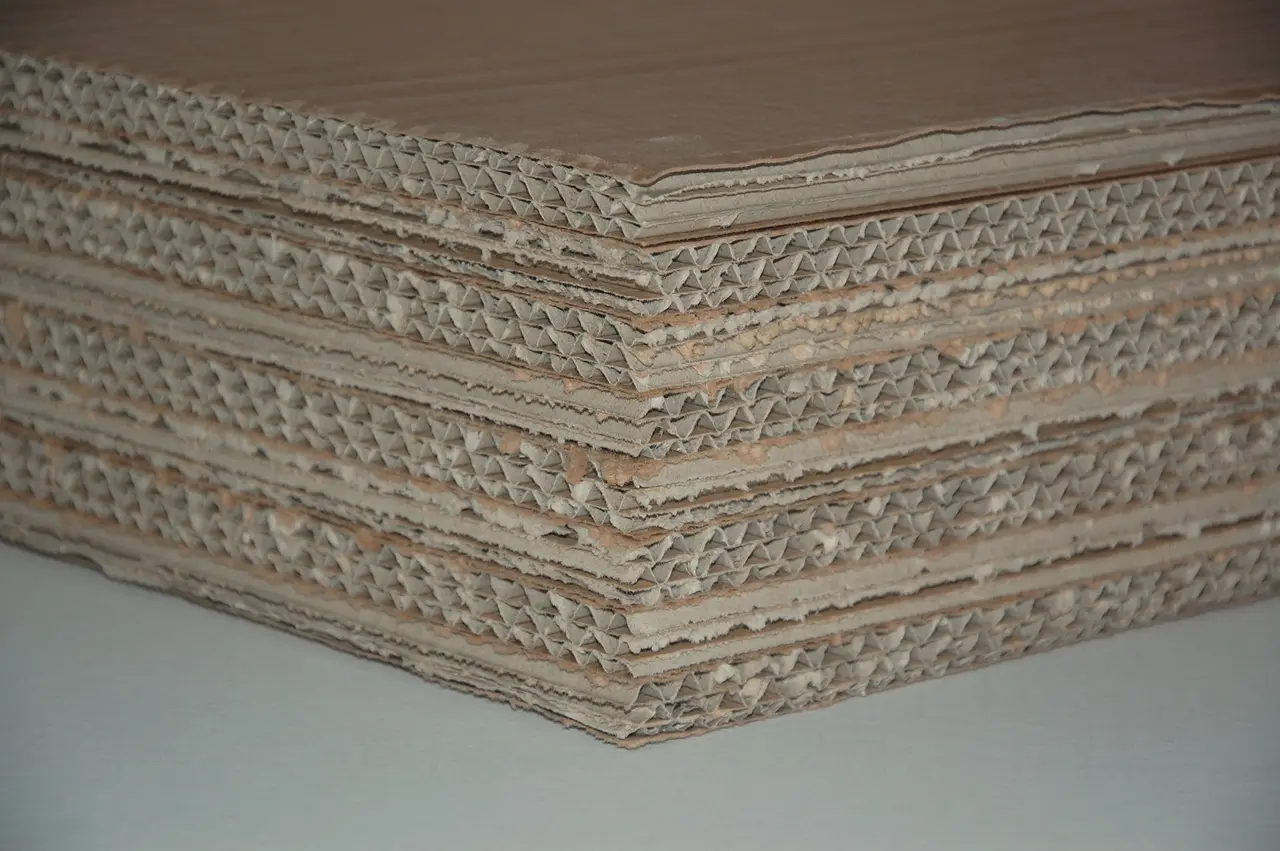
Double wall board has two fluted mediums and three liners, glued in one sheet. The common combination is BC flute, a B and a C flute together. At 48 ECT or 275# test, a double wall box is rated to 100 lb of box and contents, against 65 lb for single wall.
| 48 ECT / 275# | Rated to 100 lb of box and contents |
|---|---|
| Higher grades | 51 ECT and above for heavier stacking; quoted on request |
| Flutes | Most often BC; other combinations exist |
| Construction | Two fluted mediums, three linerboards |
| Styles | RSC, full overlap, telescope and bulk boxes |
When to move up from single wall
The plain answer is weight. A box whose contents bring the total over 65 lb should not be single wall, whatever its size. The other reasons are stacking height, long storage in damp or cold rooms, and goods that are fragile or worth protecting with more than the minimum. A double wall carton is also stiffer to the touch, which matters when it is handled often or reused inside a plant.
Double wall costs more board per box and is thicker, so the same inside size has a slightly larger outside size. If your boxes must fit an existing pallet pattern or shelf, give us the outside limit as well as the inside size.
Rating, not guesswork
Every rated box carries a box maker's certificate, a round stamp on a bottom flap that states the test or ECT, the size limit and the gross weight limit. The figures on our pages are the published ones for each grade; the certificate on the box you receive is the one to go by.
Common flute pairs
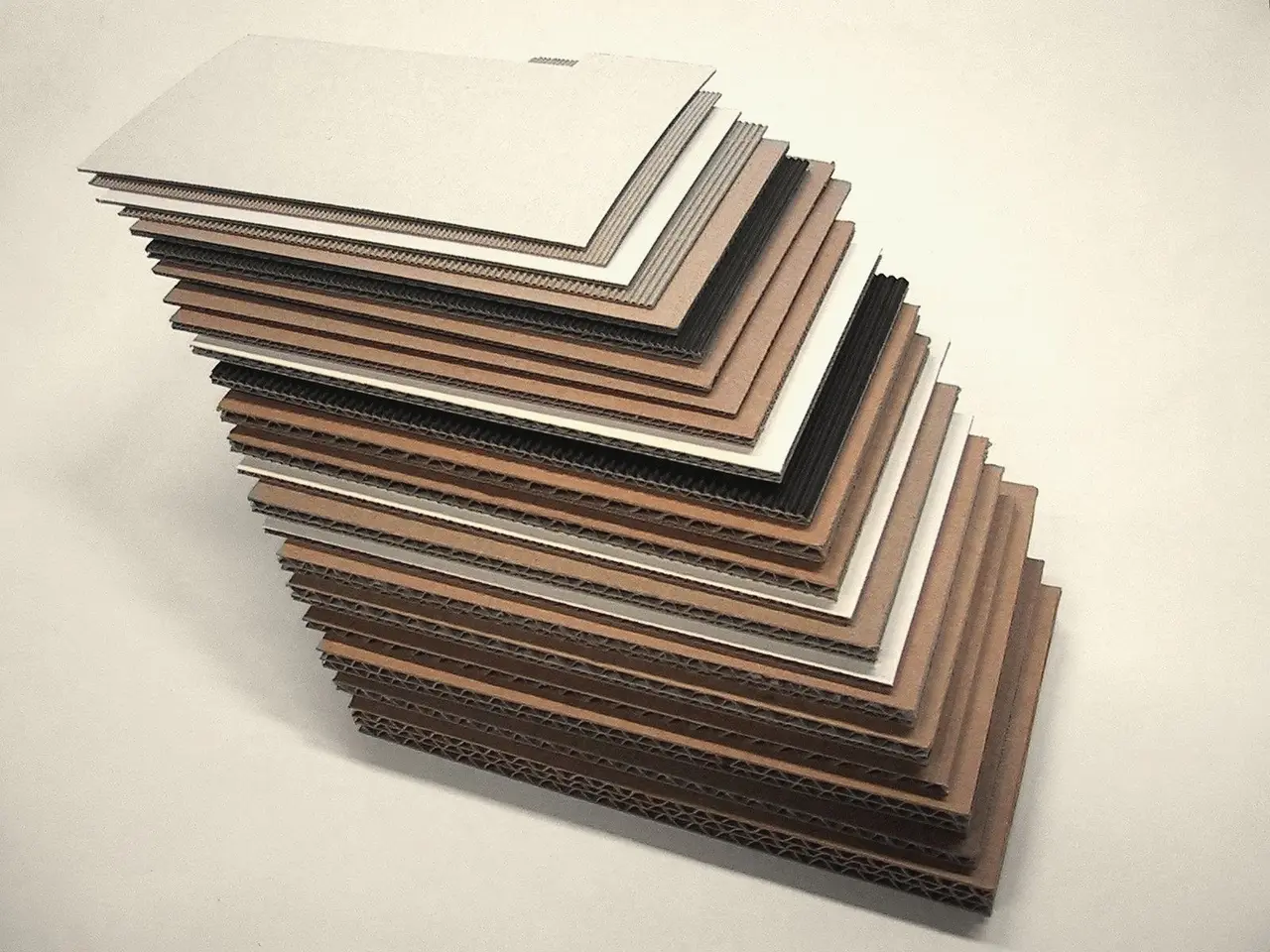
BC double wall pairs a B flute on the outside, which resists puncture and prints well, with a C flute inside for stacking strength. EB double wall is thinner and used for retail-ready cases. AC, less common, is used for heavy, high-stacking loads. Plants choose the pair from their equipment and the grade required.
Double wall in everyday use
Appliances, motors, auto parts, glass, paint, liquids in jugs, tool kits, and anything sold by weight rather than bulk travel well in double wall. Removal and moving companies use it for books and dishes, and many export shippers make it the minimum for anything going in a container. The board's extra thickness also insulates a little and resists punctures from forks and corners.
Specifying it
On a quote, write the inside size, the style, and either the ECT (48, 51, 61 and so on) or the burst test (275#, 350#), and give the packed weight. If you have a box that works now, read its certificate and send that line; we will match it. If you are not sure, the packed weight is enough to start.
When to choose it
- Box plus contents between 65 and 100 lb.
- Tall stacks, long storage or cold rooms.
- Heavy liquids, machine parts, export cartons.
- Over 100 lb or crate replacement: triple wall.
Request this board: double wall boxes
Give the inside size, the board if you know it, the count and your ZIP. Say it is for double wall corrugated boxes in the notes, and we quote it delivered.
- Inside size
- length x width x depth, in inches
- Style
- RSC, full overlap, telescope, die-cut or bulk
- Wall and grade
- read it off the stamp on your current box
- Count
- boxes per order, and how often you reorder
- Packed weight
- box plus contents
- ZIP
- where the boxes are delivered
After you send it
- We reply by email, usually with questions first if anything is unclear
- You confirm the specification, and a sample or drawing if it is a new design
- We send the price, the delivery window and the count tolerance
- On approval the order is scheduled and shipped to your dock