Triple wall boxes
Triple wall board, often called tri-wall, has seven layers of paper: three fluted mediums between four liners. It is the heaviest corrugated board in common use, and it does work that would otherwise need a timber crate, a plastic tote or a steel bin.
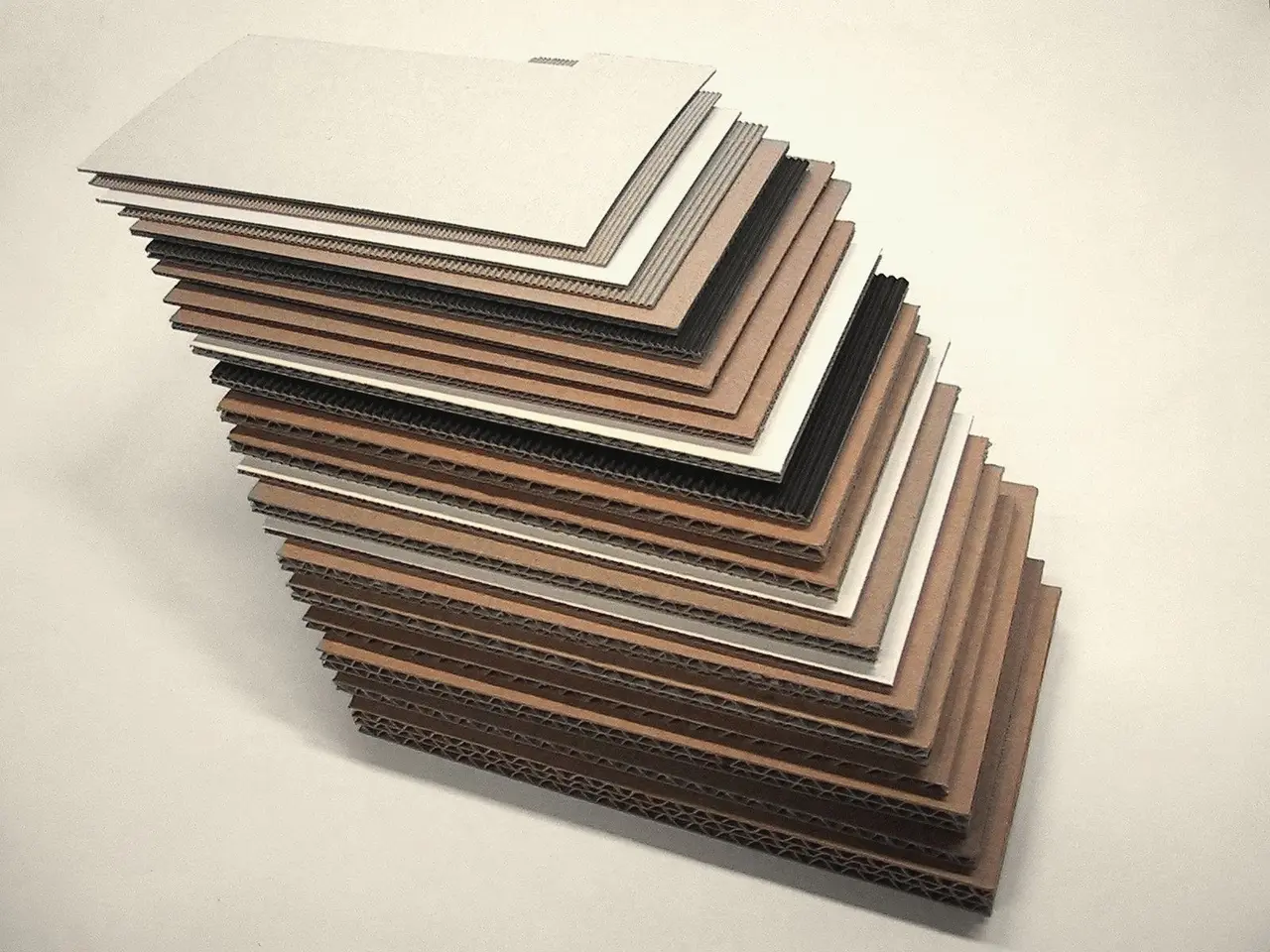
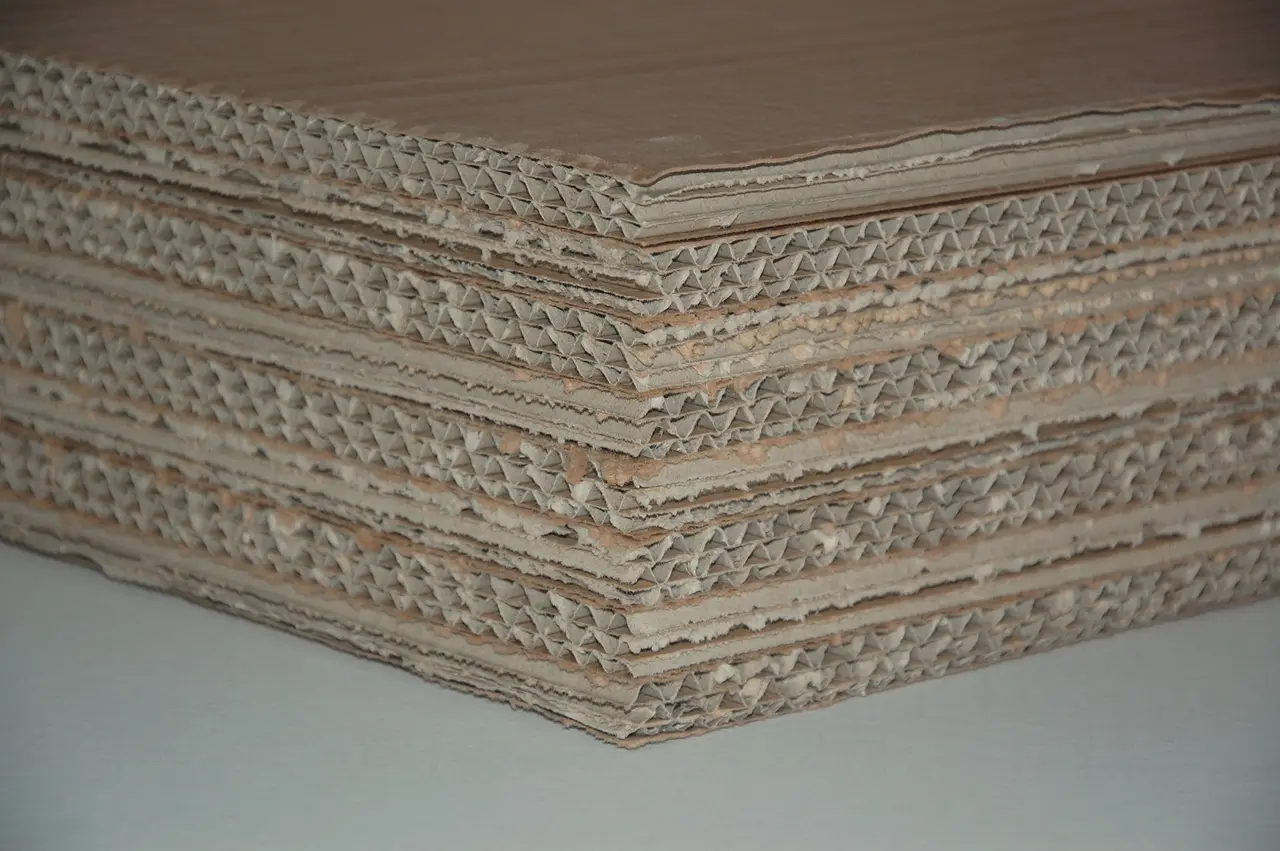
| Construction | Seven layers: three flutings between four liners |
|---|---|
| Uses | Heavy, fragile or high-value goods; export; bulk containers |
| Replaces | Timber, plastic or metal packaging in many applications |
| Styles | RSC, telescope, bulk boxes and sleeves on a pallet |
| Ships | Flat, which saves space against a built crate |
Instead of a crate
A crate is heavy, slow to build, and in export it needs treated or certified timber. A triple wall box on a pallet weighs less, ships flat until it is needed, can be set up by one person, and is recycled with other corrugated board at the far end. Smurfit Westrock describes tri-wall as an alternative to timber, plastic or metal packaging for heavy, fragile and high-value items.
Machinery, castings, motors, auto parts and bulk resin are the usual contents. The box is often a two-piece telescope on its own pallet, strapped through.
What to send
Give the inside size, the packed weight and how the box will travel: pallet or floor-loaded, stacked or single, domestic or export. If the box is pallet-size, give the pallet too. We quote the board and style to suit.
Weight and cost against a crate
A built timber crate for a machine can weigh many times what a triple wall container of the same size weighs, and that difference is paid for on every freight bill, especially by air. Corrugated also needs no fumigation stamps and folds flat for return or disposal. A crate still wins for very heavy, very long or very sharp loads, and we will say so.
Handling triple wall
The board is thick and stiff, so it is usually set up by hand rather than on a machine, and heavy-duty staples or strapping close it. Large sheets need two people to carry. Plan where boxes will be assembled, near the product and a forklift, because a set-up triple wall container is awkward to move empty.
Common builds
Triple wall is usually made into a pallet-size telescope, a sleeve with a tray and a lid, or a heavy RSC for large single items. Sleeves are popular because they ship flat, set up fast on a pallet, and come apart for return or recycling. Corner posts, edge boards and internal blocking add support where the load is uneven.
Export and long transit
Ocean containers get warm and humid, and goods may sit for weeks. Triple wall keeps more of its strength through that than lighter board. Many shippers also use it for air freight where a crate would add too much weight. Ask about strapping and banding for heavy loads; the box and its pallet should be treated as one unit.
When to choose it
- Goods over 100 lb in one box.
- Export loads in containers where a crate would otherwise go.
- Dense bulk contents in a pallet-size box.
Request this board: triple wall boxes
Give the inside size, the board if you know it, the count and your ZIP. Say it is for triple wall boxes in the notes, and we quote it delivered.
- Inside size
- length x width x depth, in inches
- Style
- RSC, full overlap, telescope, die-cut or bulk
- Wall and grade
- read it off the stamp on your current box
- Count
- boxes per order, and how often you reorder
- Packed weight
- box plus contents
- ZIP
- where the boxes are delivered
After you send it
- We reply by email, usually with questions first if anything is unclear
- You confirm the specification, and a sample or drawing if it is a new design
- We send the price, the delivery window and the count tolerance
- On approval the order is scheduled and shipped to your dock