Bulk shipping boxes by the bundle and the pallet
Boxes are made and shipped flat, strapped into bundles of a fixed count, and stacked bundle on bundle into pallet loads. Buying wholesale means buying in those units, often the same few sizes every month. That is most of the work we quote.
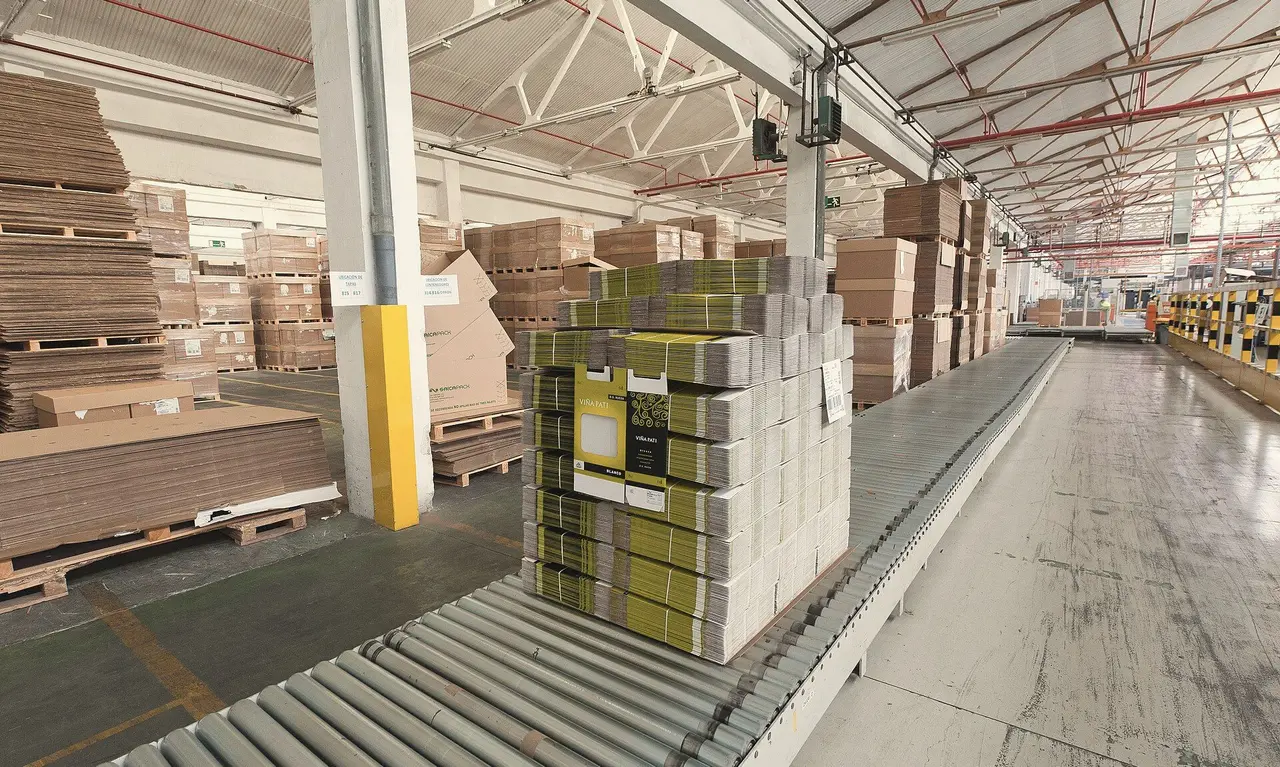
| Bundle | Knocked-down boxes strapped together in a fixed count per size |
|---|---|
| Pallet load | Bundles stacked on a pallet; the count depends on the size and board |
| Repeat orders | The same sizes and grade on a schedule |
| Mixed loads | Several sizes on one delivery, quoted together |
| Freight | Quoted to your ZIP |
Bundles and pallets
The bundle count depends on the box: small single wall boxes come many to a bundle, large double wall ones few. Pallet loads are built from whole bundles, so the number of boxes on a pallet is a multiple of the bundle count. Ask for quantities in whole bundles and the quote is simpler.
Storage matters as much as price. Flat boxes take far less space than set-up ones, but a pallet of them is heavy and wants a dry, level floor. Board absorbs moisture; boxes stored in a damp corner lose stacking strength before they are ever used.
Ordering several sizes
Warehouses and 3PLs usually need a range: five to fifteen RSC sizes for client orders. List each size with its grade and the quantity, and give the delivery ZIP. We quote the range together so it can arrive on one truck.
Mixed pallets and split deliveries
A pallet can carry bundles of several sizes, built so the heaviest sit at the bottom and each size is labelled. For buyers with more than one building, deliveries can be split by site, each with its own paperwork and receiving notes. Ask for a split on the quote, listing each address, ZIP and the sizes that go there.
Wholesale buyers also ask about payment terms, credit applications and certificates of insurance. Raise those with your first request so they can be settled alongside the price. Purchase orders, blanket orders with scheduled releases and simple email orders all work.
Price and quantity
The price per box falls as the run grows, because set-up time and freight are spread across more units, but the saving flattens past a certain count. Ordering far more than you can store dry, or use within a few months, gives back the saving in damaged stock. We quote price breaks so you can see where the steps are.
Planning a supply
Work out weekly use per size, then decide how many weeks of stock you have room for. Bundles stack on pallets in fixed patterns, so the sensible order quantities come in steps. We can quote a regular delivery, the same mix on a set schedule, which smooths storage and keeps the packing area from running dry.
Receiving and storage
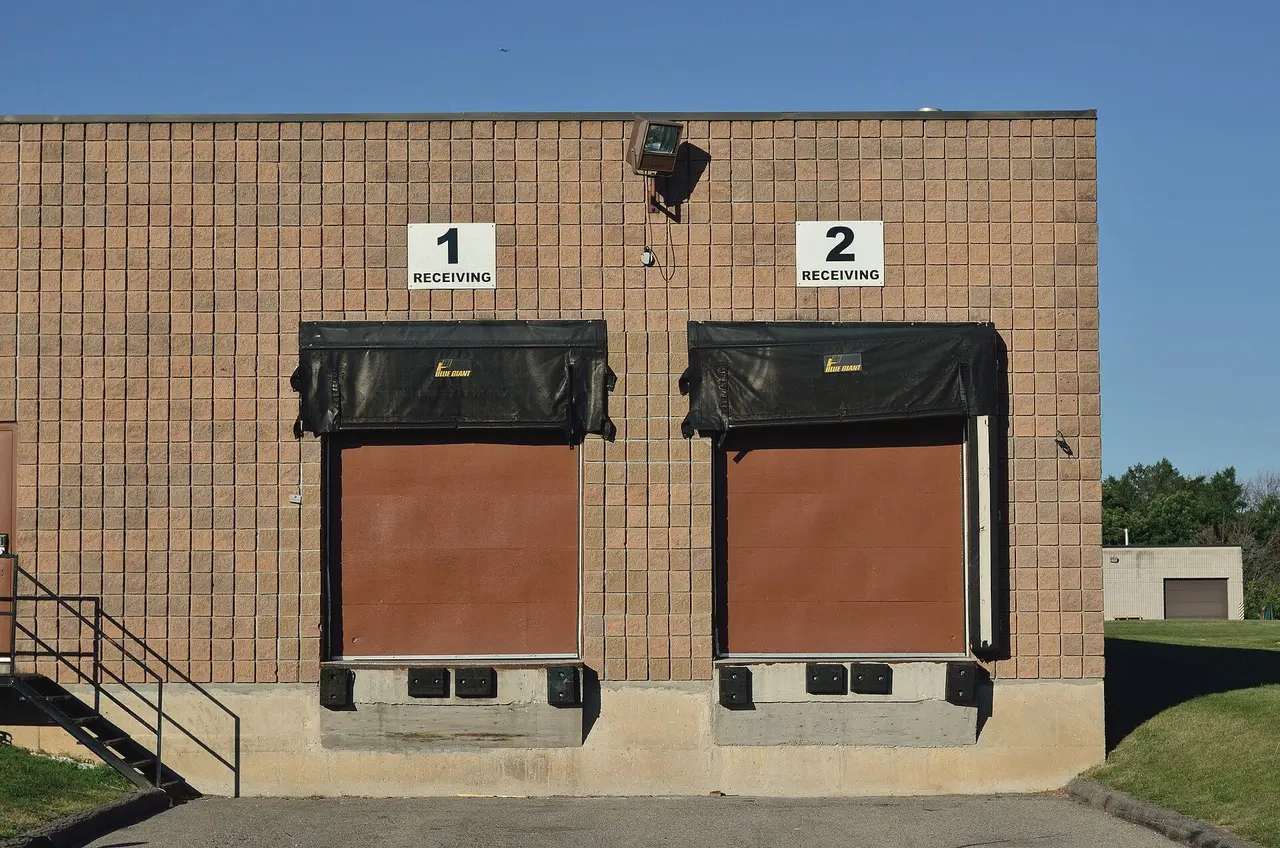
Pallets of flat boxes are heavy and tall; check your dock and racking limits. Keep stock off the floor, wrapped until use and away from doors and heaters. Rotate it: oldest first. Mark bundles with the size so the packing team finds the right one without opening each.
When to choose it
- One to four sizes used every week: a repeat order by the pallet.
- A range of stock RSCs for a warehouse: a mixed load.
- A trial of a new size: a few bundles first.
Request a wholesale quote by the bundle or pallet
Give the inside size, the board if you know it, the count and your ZIP. Say it is for bulk shipping boxes by the bundle and the pallet in the notes, and we quote it delivered.
- Inside size
- length x width x depth, in inches
- Style
- RSC, full overlap, telescope, die-cut or bulk
- Wall and grade
- read it off the stamp on your current box
- Count
- boxes per order, and how often you reorder
- Packed weight
- box plus contents
- ZIP
- where the boxes are delivered
After you send it
- We reply by email, usually with questions first if anything is unclear
- You confirm the specification, and a sample or drawing if it is a new design
- We send the price, the delivery window and the count tolerance
- On approval the order is scheduled and shipped to your dock