Heavy duty shipping boxes
"Heavy duty" is not a grade; it is a question. How much will the box and its contents weigh, how will it be handled, and how high will it be stacked? Answer those and the board follows. This page sorts heavy loads by packed weight and points to the page for each grade.
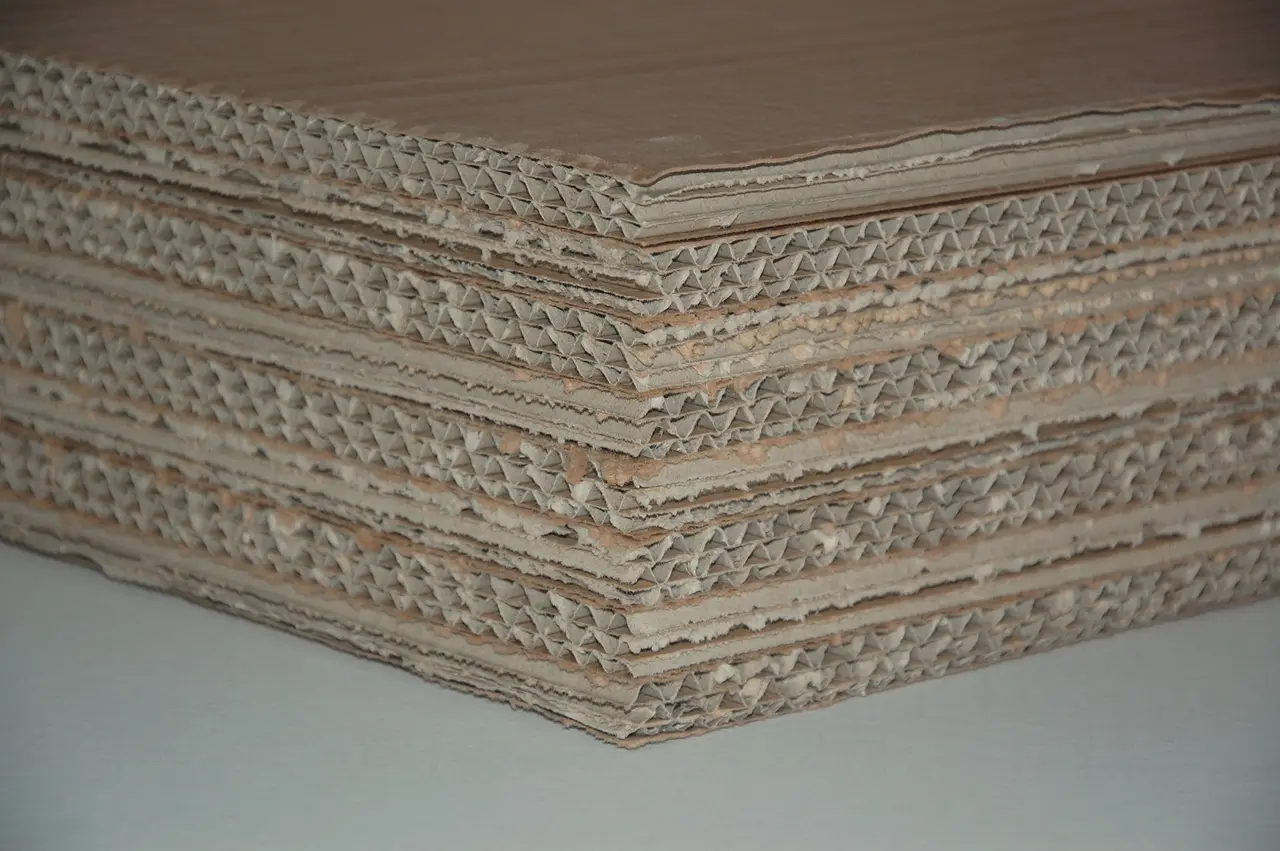
| Up to 65 lb | Single wall 32 ECT or 200# test |
|---|---|
| 65 to 100 lb | Double wall 48 ECT or 275# test |
| Over 100 lb | Triple wall, or double wall in a heavier grade on review |
| Long or end-loaded | Consider full overlap flaps for a double layer top and bottom |
| Pallet-size | Bulk box in double or triple wall |
Weigh it first
The ratings on a box maker's certificate are for gross weight: the box and everything in it. Put a packed sample on a scale before choosing. Buyers who guess often guess low, especially for small, dense goods such as fasteners, liquids and castings.
Then think about handling. A box that will be thrown into a parcel trailer needs burst strength; one that will sit at the bottom of a pallet stack for a month needs edge crush. A box that will do both, at a heavy weight, wants double wall.
More than the board
Heavy boxes fail at the seams and the flaps as often as in the walls. Full overlap flaps help on the faces; reinforced tape and strapping help at the closures; inner partitions stop heavy parts moving and punching through. Tell us what is going in, and we will quote the box and suggest what else it needs.
Testing before a full order
For a new heavy load, a few sample boxes packed and shipped or stacked for a week tell you more than any table. Watch the bottom of the stack and the corners. If the samples bow or split, step up a grade or change the style before ordering hundreds.
Signs your box is under-rated
Bulging sides, crushed bottom layers on a pallet, split corners, flaps pulling away from tape, and punctures from neighbouring cartons all point to board that is too light for the load or the handling. Photographs of damaged boxes, with the certificate visible, help us suggest a fix.
Inside the heavy box
Inserts, pads and partitions spread weight and keep heavy items from moving. A die-cut insert can hold a motor or pump in position; corrugated pads at top and bottom protect against forks and other cartons; partitions separate bottles, cans and parts. Foam, kraft paper and air pillows fill gaps where the product is irregular.
Common heavy-duty orders
Machine parts and castings, gearboxes, batteries, books and printed paper, liquids in jugs and pails, tile and stone samples, small appliances, hand tools and fasteners, and moving boxes for dense household goods. Each comes with its own packed weight and handling, and the grade follows from both.
When to choose it
- Weigh a packed sample and read the table above.
- Stacked on pallets: favour ECT. Handled singly: favour burst.
- Long, pointed or end-heavy contents: full overlap.
Request heavy duty boxes for your load
Give the inside size, the board if you know it, the count and your ZIP. Say it is for heavy duty shipping boxes in the notes, and we quote it delivered.
- Inside size
- length x width x depth, in inches
- Style
- RSC, full overlap, telescope, die-cut or bulk
- Wall and grade
- read it off the stamp on your current box
- Count
- boxes per order, and how often you reorder
- Packed weight
- box plus contents
- ZIP
- where the boxes are delivered
After you send it
- We reply by email, usually with questions first if anything is unclear
- You confirm the specification, and a sample or drawing if it is a new design
- We send the price, the delivery window and the count tolerance
- On approval the order is scheduled and shipped to your dock