Die-cut boxes and mailers
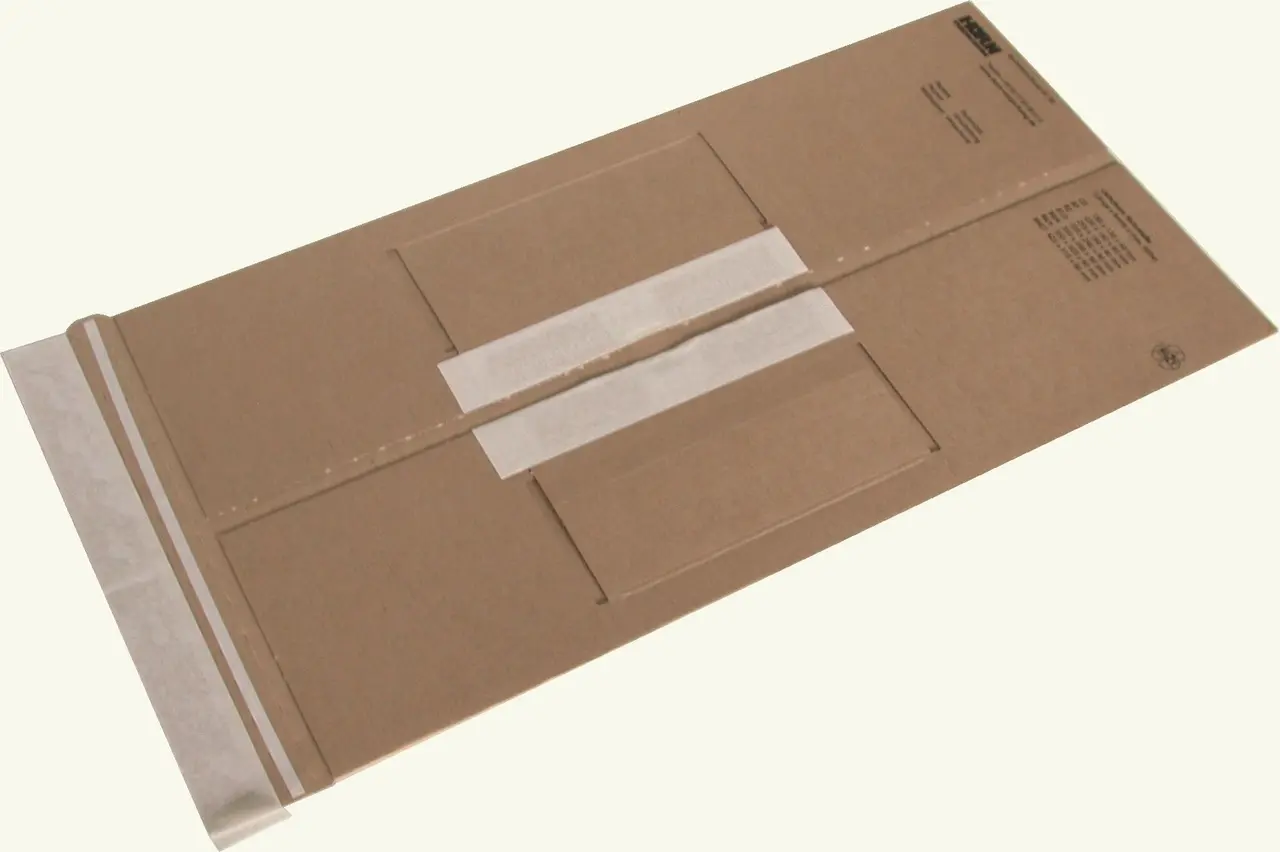
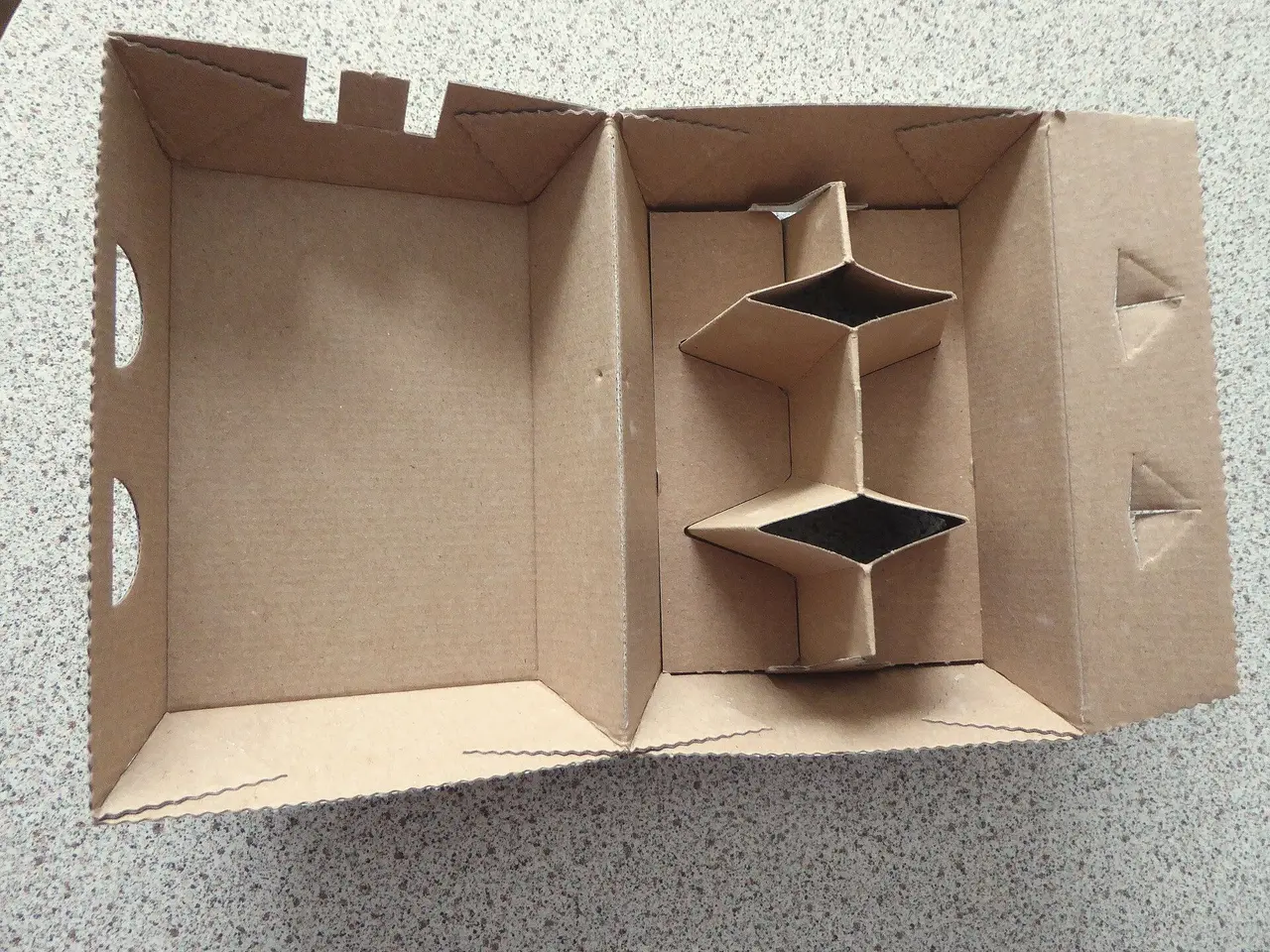
Die-cut boxes are cut and creased in one stroke by a steel-rule die, so the shape can be almost anything: a roll-end mailer with a tuck front, a book wrap, a tray with locking corners, a set of partitions for glass. If an RSC is the standard carton, a die-cut is the one drawn for one product.
| Build | Cut and creased on a die; designs vary almost without limit |
|---|---|
| Common styles | Roll-end tuck-front mailers, wraps, trays, inserts and partitions |
| Board | Often E or B flute single wall for mailers; heavier for trays and partitions |
| Tooling | A new design needs its own die; ask about tooling on the quote |
| Ordered by | Inside dimensions plus a drawing or a sample |
Mailers for parcels
The roll-end mailer is the die-cut most people meet: a flat blank that folds into a box with a hinged lid and dust flaps, no tape needed on the sides. It opens neatly, holds flat goods such as books, apparel and boxed kits, and looks finished enough to send to a customer without a second box. E and B flute keep it thin and crisp at the folds.
Partitions and trays
Partitions are slotted strips of board that interlock into cells, used to keep bottles, jars and parts from touching inside a case. Trays are shallow die-cuts that hold product on a line or on display. Both are quoted to the case they go in; send the case size and the number of cells or the tray depth.
Sending a design
A sample is the quickest brief. Failing that, a drawing with inside dimensions and the style you are after. If you are not sure which style fits, describe the product and how it ships, and we will suggest one. Simple one-colour print can be added on a custom run.
Common die-cut terms
A roll-end tuck-top has its ends folded in to form double walls; a reverse tuck has its top and bottom tucks on opposite faces; a crash-lock bottom folds flat but locks square when opened. Lock tabs, thumb notches, tear strips and window cut-outs are all added on the die. If you know the name of the style you use, include it; it saves a drawing.
Tooling, runs and costs
A die is a one-off cost for a new design. After that, each run is charged by the sheet and the speed of the press. That is why die-cut boxes make sense for repeated, steady use and less sense for small trial runs. If you are testing a design, a sample made on a cutting table, without a die, may come first. Ask, and we will quote both.
Print and finish
Die-cuts often carry print because they are seen by customers. On kraft board, one or two colours of flexographic ink, a logo and handling marks, is the simple option. White-top liners take print more crisply. Full-colour work is usually done on a different process; mention it, and we will tell you what is practical for your quantity.
When to choose it
- Flat goods sent to customers: a roll-end tuck-front mailer.
- Glass, jars or bottles in a case: partitions inside an RSC.
- A product that has to sit still on display or a line: a die-cut tray.
Request this box: a die-cut mailer, tray or partition
Give the inside size, the board if you know it, the count and your ZIP. Say it is for die-cut boxes and mailers in the notes, and we quote it delivered.
- Inside size
- length x width x depth, in inches
- Style
- RSC, full overlap, telescope, die-cut or bulk
- Wall and grade
- read it off the stamp on your current box
- Count
- boxes per order, and how often you reorder
- Packed weight
- box plus contents
- ZIP
- where the boxes are delivered
After you send it
- We reply by email, usually with questions first if anything is unclear
- You confirm the specification, and a sample or drawing if it is a new design
- We send the price, the delivery window and the count tolerance
- On approval the order is scheduled and shipped to your dock